
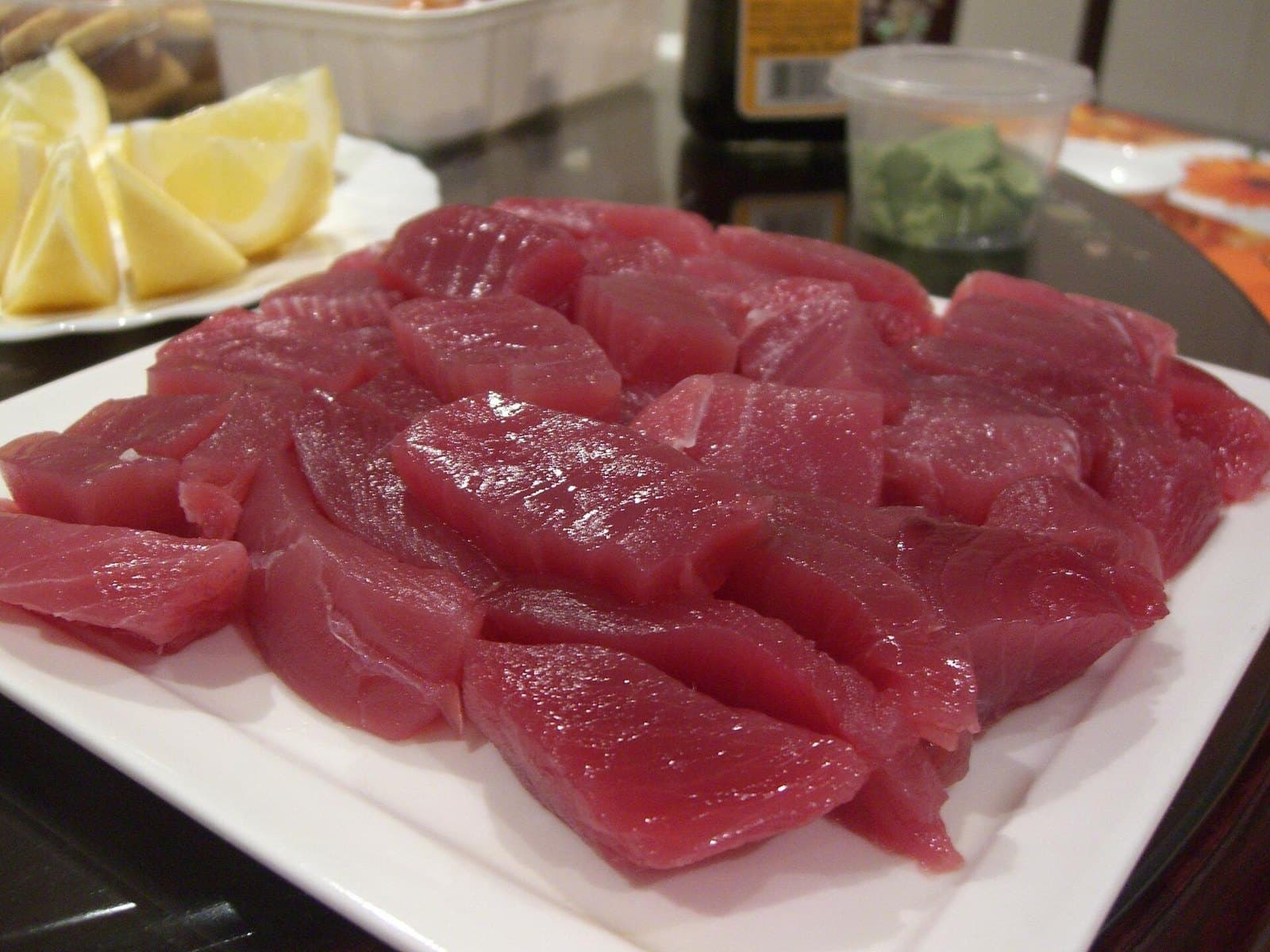
How to choose sushi-grade tuna
Sushi-grade isn't a grade anyone regulates. It's a promise about handling. Here's what to ask for, so the promise means something.
What the words mean
Sushi-grade, sashimi-grade and raw-service all mean the same thing: the fish was handled for eating raw from the moment it was caught. That means bled and chilled fast on the boat, kept at 0 to 2 degrees since, and, for many species, frozen to a set temperature long enough to kill parasites.
Ask three questions: how was it caught and chilled, has it been frozen and to what temperature, and when was it landed. A supplier who can't answer isn't selling sushi-grade fish.
Yellowfin or bluefin
| Yellowfin | Bluefin | |
|---|---|---|
| Colour | Bright pink to red | Rich red, with pale fatty belly |
| Taste | Lean, mild, firm | Rich and buttery |
| Best cuts | Loin for sashimi and seared steaks | Akami (lean), chutoro (medium fat), otoro (fatty belly) |
| Price | Everyday raw service | Premium, by the cut |
Handling it in your kitchen
See the specialty seafood range for the tuna we source.
Send an enquiry
Tell us what you need and when. We reply with what's available, the price and the delivery date.
Related
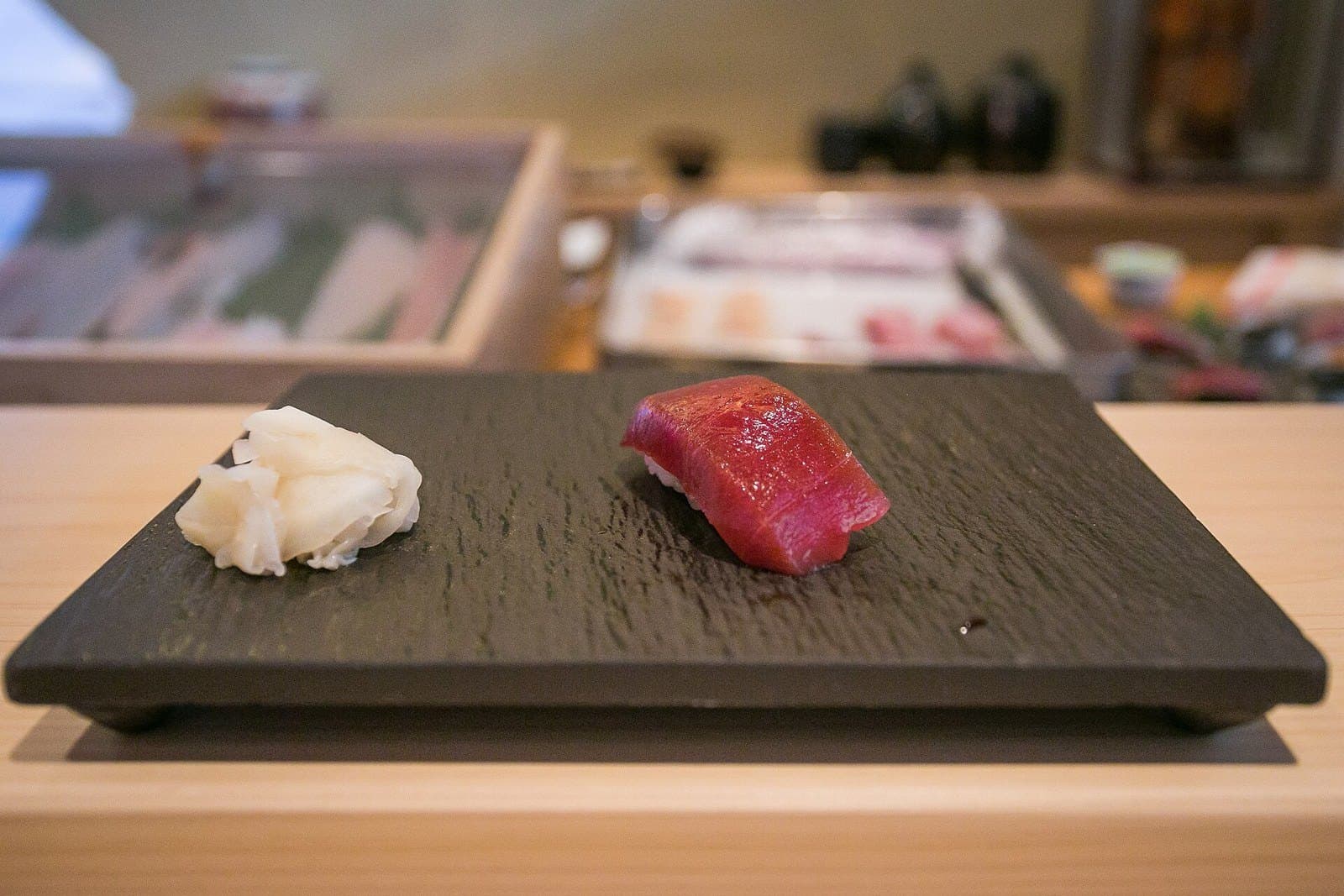 Specialty seafoodSpecialty seafood from Sakana Global: yellowfin, bluefin and marlin, tuna collar, sea urchin, caviar and exotic fish, sourced sustainably for chefs.Read more
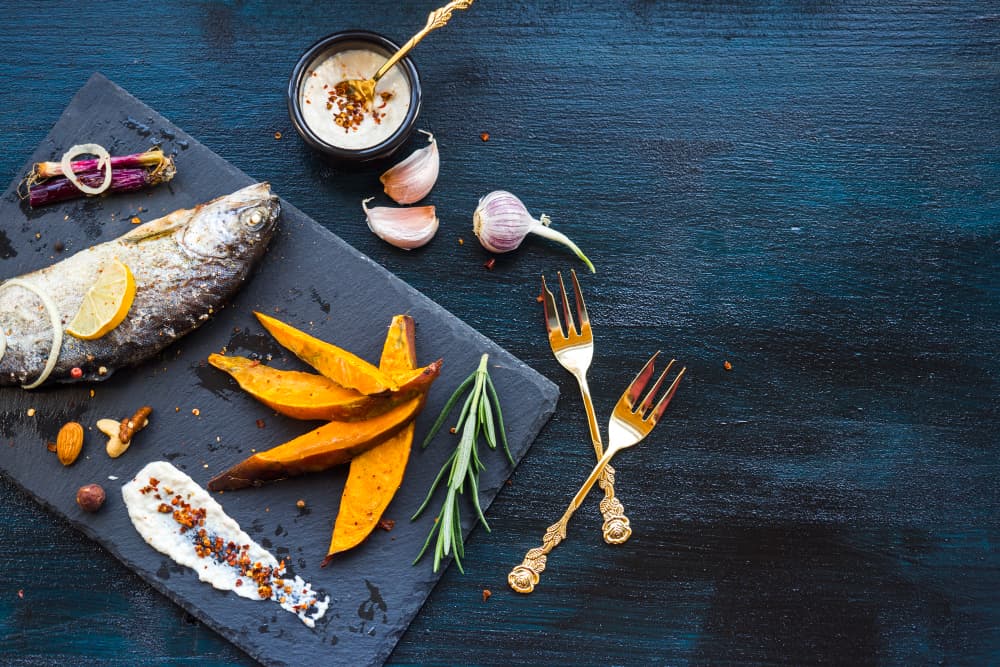 International delicaciesPremium seafood imported by Sakana Global: Alaskan salmon, Japanese sushi-grade tuna and Canadian lobster, delivered from Christchurch across New Zealand.Read more
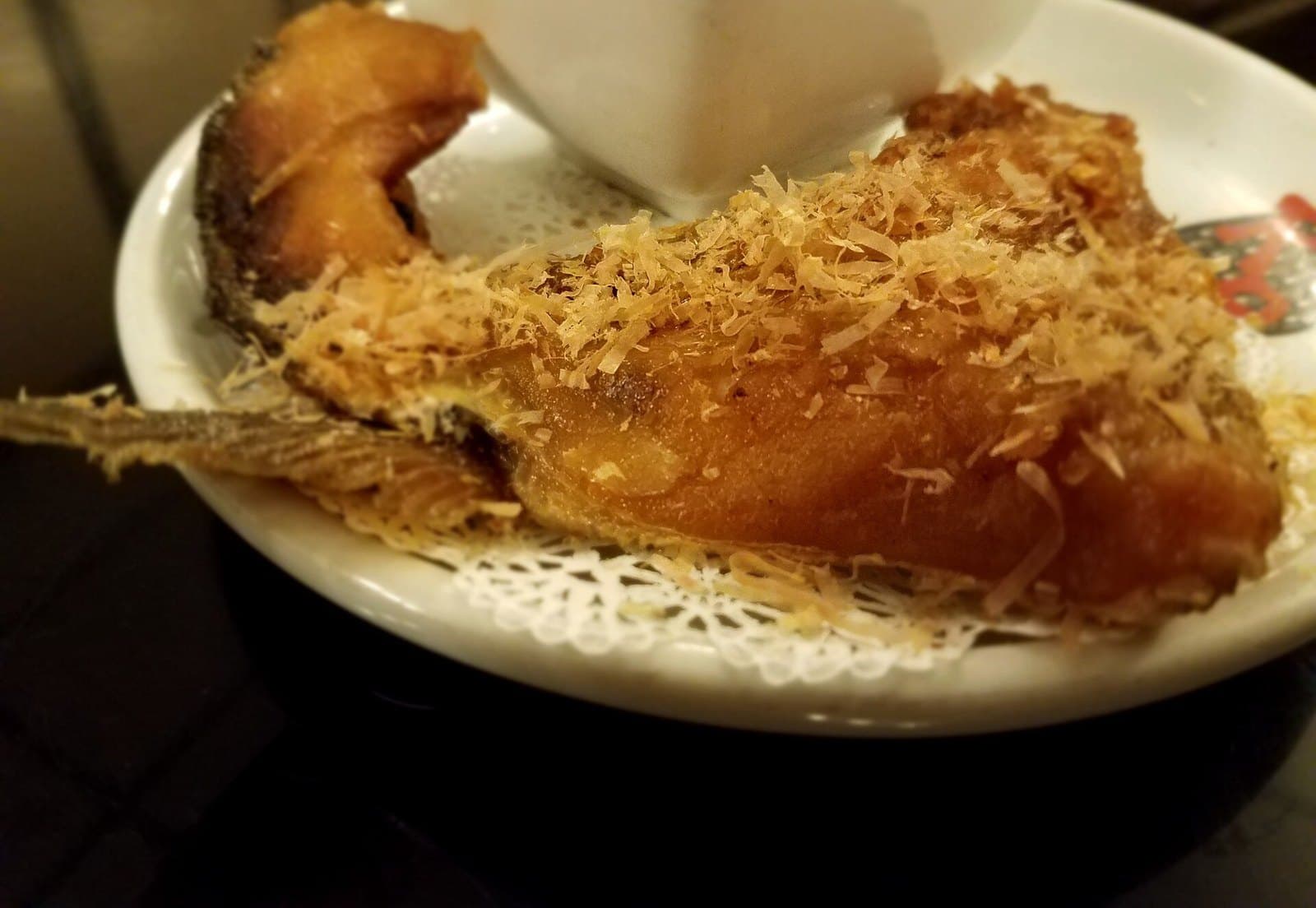 Cooking tuna collarTuna collar, also called panga or kama, is the rich cut behind the gills. How to season, grill and serve it, and why chefs rate it above the loin.Read more
 QualityHow Sakana Global keeps seafood quality: careful selection, inspection on arrival, an unbroken cold chain and supplier partnerships that back every product.Read more